

Digital Freedom 2026: 7 Effective Tips Against Phone Addiction for More Focus
The constant reach for the smartphone, the mindless scrolling before bed, and the phantom vibration in your pocket – these moments are not signs of weak willpower. Rather, they are the result of a sophisticated design intended to capture our attention and keep us in a cycle of reward and distraction. Many digital well-being apps promise a solution, yet they fight a digital problem with purely digital means and often fail at the root of the issue: the automated, almost unconscious reach for the device.
Real change requires more than just another timer on your screen. It calls for conscious friction, for physical barriers, and for new everyday rituals that deliberately interrupt the digital autopilot. Pure discipline isn't enough when the environment isn't designed for focus and mindfulness. It's about creating a system that makes healthy phone use the easiest option.
This article therefore offers you no superficial advice, but rather seven in-depth and field-tested tips against phone addiction. We'll show you how to regain control through a smart combination of behavioral change, technical support, and physical tools such as a focus box. Instead of fighting against your smartphone, you'll learn to consciously use it as a tool and to build a sustainable, healthy relationship with your technology. Think of these strategies as your roadmap to greater digital freedom and undisturbed concentration.
1. Physical Friction Through Device Placement
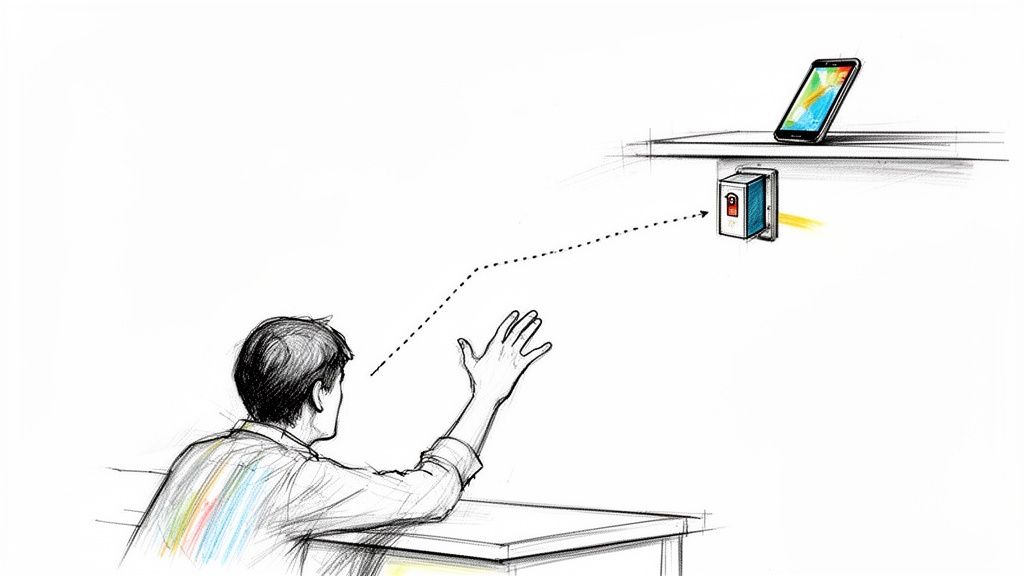
One of the most effective tips against phone addiction is surprisingly simple: create physical distance between yourself and your smartphone. The principle of „Physical Friction“ uses spatial separation as a conscious barrier against impulsive use. Instead of always having the device within reach, place it somewhere that requires deliberate effort to access. This small hurdle breaks the automated reach for the phone and creates a valuable moment of awareness: „Do I really need my phone right now, or am I just reaching for it out of habit?“
The idea, popularized by authors such as Cal Newport in his „Digital Minimalism“ movement, is based on the psychological insight that even the mere presence of a smartphone can reduce our cognitive performance. By removing the device from sight and reach, you relieve your brain and create space for undisturbed focus.
How to Apply Physical Friction in Everyday Life
Putting this into practice requires no complicated techniques, just a conscious redesign of your environment.
- During work: Place your smartphone in another room when you begin a deep-work session. This eliminates the temptation to „just quickly“ check notifications.
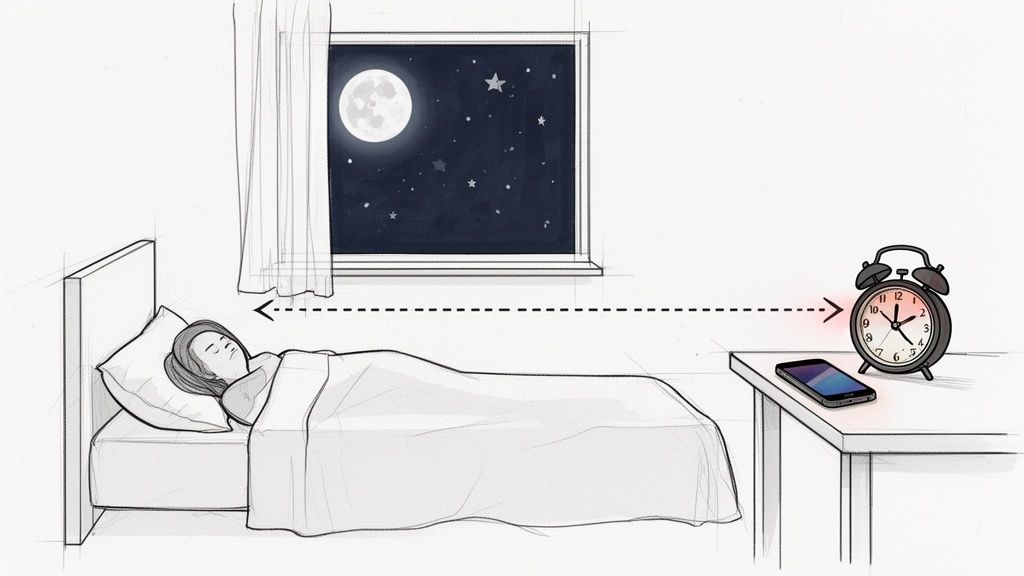
- In the bedroom: Banish the device from the bedroom overnight. Charge it instead in the living room or kitchen. This not only improves sleep quality but also prevents morning „doomscrolling“ in bed.
- Shared family time: Set up a central „phone garage“ where all family members place their devices during shared meals or activities.
Reinforcing Physical Barriers with Smart Tools
To increase physical friction further, tools like a Zenbox can play a decisive role. These minimalist holders can be attached magnetically to places such as the fridge or a shelf in your study. They serve as a fixed, defined spot for your smartphone that removes it from your immediate reach. Combined with an NFC tag, this creates an additional unlocking hurdle that makes impulsive grabbing even less likely. The Zenbox is a thoughtfully designed Brick alternative made in Germany that integrates seamlessly into everyday life to encourage digital breaks.
Pro tip: Start with small, manageable time intervals. Lock your phone away for 30 minutes and gradually increase the duration. Let colleagues and family know about your new focus times to avoid misunderstandings and to gain their support.
2. App Blocking and Focus Timers with Defined Modes
Another decisive building block in the fight against smartphone dependency is conscious digital self-restraint. This is where app blockers and focus timers come in, acting as digital guardians. Instead of relying on willpower alone, these tools create fixed time windows in which distracting apps are deliberately blocked. The goal is to curb impulsive use and to replace digital habits with predefined, structured focus times.
This concept, made known through methods such as Nir Eyal's „Indistractable“ or apps like Forest and Freedom, goes beyond simply switching off. It creates a conscious decision-making layer: instead of automatically opening TikTok, you are stopped by a block and forced to question your own intention. This trains the brain to establish focus as the default state and to treat distraction as a conscious exception.
How to Integrate Focus Modes into Your Everyday Life
The key lies in creating personalized modes tailored to your specific routines and goals.
- Morning-routine mode: Block all social media and news apps from 6 to 8 a.m. This way you start your day mindfully and without outside influences.
- Deep-work mode: Disable all communication apps such as email, Slack, and WhatsApp between 9 a.m. and noon so you can work undisturbed on important tasks.
- Sleep mode: Lock all entertainment-based and stimulating apps from 9 p.m. This supports the production of the sleep hormone melatonin and improves recovery.
- Family-time mode: Set up a mode for shared meals that blocks gaming and video apps for all family members to encourage genuine connection.
Combining Digital Control with Conscious Action
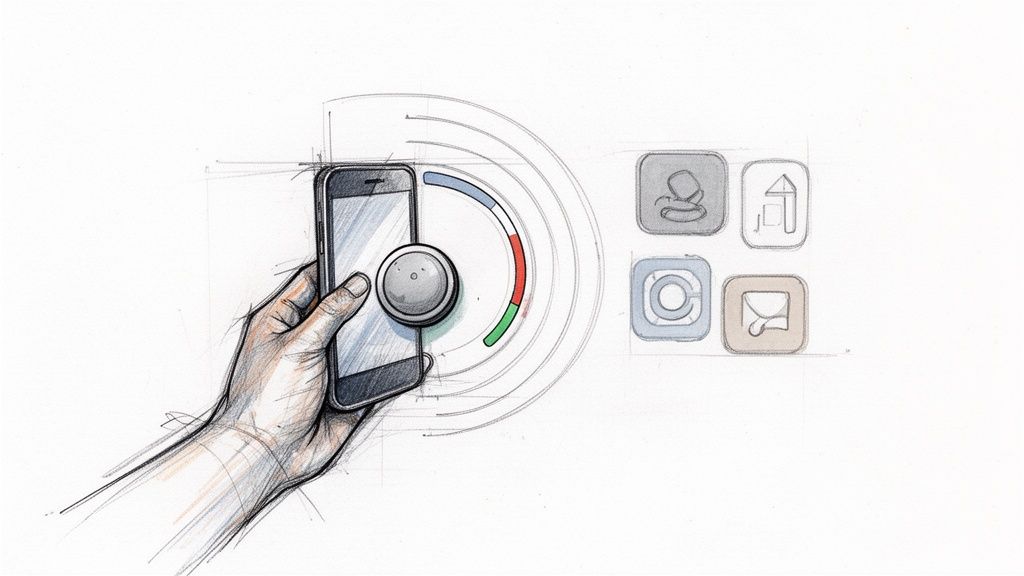
Modern systems like the Zenbox take this principle to the next level by linking the digital lock with a physical ritual. Preconfigured focus modes can be set directly in the app. To end such a focus time early, a simple click won't do. Instead, the smartphone must be deliberately held to the Zenbox's NFC tag, which interrupts the impulsive action and forces a conscious decision. This combination of software lock and physical interaction is one of the most effective tips against phone addiction for changing digital habits sustainably and regaining control.
Pro tip: Start with two to three fixed focus blocks per day rather than scheduling your entire day at once. Begin by blocking only your top 3 time-wasters and review monthly whether the blocked apps are still relevant. This makes getting started easier and ensures long-term success.
3. Conscious Mindfulness Through Physical Rituals
One of the most sustainable tips against phone addiction goes beyond purely digital locks and anchors smartphone use in conscious, physical actions. The principle of physical rituals uses deliberate movements to ritualize the transition from a distraction-free state into the digital world. Instead of reaching for the device impulsively and unconsciously, use becomes a conscious, almost ceremonial decision. This method transforms the automated reflex into a moment of reflection: „Do I really want to interrupt this focus time right now?“
This approach is based on established principles of behavioral psychology, such as those described by James Clear in „Atomic Habits“ through „habit stacking“ or by BJ Fogg in his „Tiny Habits“ methodology. A small physical action is linked to an existing routine in order to form a new, conscious habit. The conscious interaction encouraged by the Zenbox's design philosophy turns a simple unlock into an act of mindfulness in everyday life.
How to Establish Physical Rituals in Your Everyday Life
The aim of putting this into practice is to create fixed anchor points that structure the digital day and enable conscious transitions.
- Morning ritual: Don't start the day by reaching for your phone, but with a conscious action. A tap of the smartphone on the Zenbox at 6:30 a.m. can initiate a two-hour focus time for meditation, exercise, or breakfast without digital distraction.
- Work ritual: Before you begin a deep-work phase, go to your Zenbox and activate focus mode. This physical act signals unmistakably to the brain: „Focused work begins now.“
- Break ritual: To start a work break, end the current focus session by holding the device to the box again. This prevents the aimless „just a quick look“ and makes the break a conscious decision.
- Evening ritual: Set a fixed time, for example 8:00 p.m., for the last unlock of the day. This action symbolizes the digital wind-down and prepares the mind for a restful night without blue light.
Anchoring Physical Rituals with Smart Tools
Tools like the Zenbox are specifically designed to support these physical rituals. The NFC tag in the box requires a deliberate, physical interaction to unlock the smartphone. This short walk to the box becomes a moment of reflection. By placing the Zenbox in a symbolically meaningful spot – such as at the entrance to your study – you reinforce the psychological effect of the ritual. In the Zenbox app you can also record notes about your rituals and thereby document your intentions and successes.
Pro tip: Link the physical ritual to a habit you already have. For example, always activate your focus time right after you've made yourself a cup of coffee. This link („habit stacking“) speeds up the establishment of the new, healthy routine.
4. Sleep Optimization Through Device-Free Bedrooms
One of the most powerful tips against phone addiction targets the most important regeneration phase of the day: sleep. The systematic removal of all screens from the sleeping area creates a digital oasis that has been shown to improve sleep quality and curb nighttime addictive impulses. The point is to make the bedroom a place of rest again, rather than letting it become an extended stage for digital distractions. This approach reduces exposure to blue light before falling asleep and prevents the automatic reach for the device when waking at night.
The scientific basis for this, popularized by sleep researchers such as Matthew Walker („Why We Sleep“) and recommendations from the National Sleep Foundation, is clear: using smartphones in bed disrupts the production of the sleep hormone melatonin, keeps the brain active, and fragments sleep. A device-free sleeping environment is therefore not a sacrifice but a conscious investment in your own mental and physical health.
How to Make Your Sleeping Space Device-Free
Success comes through a combination of spatial separation and intelligent automations that set digital boundaries for the night.
- No screens in the bedroom: The most radical and effective rule is to banish all screen-based devices such as smartphones, tablets, and laptops from the room.
- Use an analog alarm clock: Replace your smartphone's alarm function with a classic analog alarm clock. This eliminates the most common excuse for keeping the phone on the nightstand overnight.
- Fixed charging spot outside the bedroom: Define a fixed place for charging, ideally in the living room or kitchen. Placing the device there becomes a firm evening ritual.
- Set up automatic lock times: Use built-in features (such as Focus mode on iOS or Bedtime mode on Android) to automatically block apps and notifications from a certain time, for example from 9:00 p.m.
Steering Sleep Optimization with Smart Tools
Smart tools like the Zenbox can substantially support this evening routine. With Zenbox Sleep mode, the smartphone can not only be physically placed in the living room but also digitally locked. The mode can be configured so that from a certain time only calls from selected emergency contacts are allowed through. Emails, social media notifications, and other distractions remain blocked until morning. This gives you the reassurance of staying reachable without giving in to the temptation of constant availability. For parents, this is also an effective tool for consistently enforcing screen-free nights for children.
Pro tip: Activate Sleep mode or put your smartphone away at least 90 minutes before your planned bedtime. This buffer zone gives your brain time to settle and prepare for sleep. Let important contacts know how they can reach you in a genuine emergency, so you can take the pressure off yourself of always having to be reachable.
5. Social Accountability and Progress Transparency
Another powerful tip against phone addiction taps into a fundamental human need: social recognition and the motivation that comes from visible progress. The principle of „social accountability“ turns reducing smartphone use into a shared or at least measurable goal. By tracking your progress and making it transparent, you create external incentives that go beyond pure willpower.
This concept, made known through the habit-tracking movement and psychologists such as BJ Fogg, is based on the idea that we are more likely to stick to our goals when we make them visible and feel accountable to others for them. Tracking metrics such as „focus sessions this week“ or „screen time saved“ turns an abstract intention into a tangible, motivating game.
How to Apply Social Accountability in Everyday Life
This can be put into practice either privately or in a group, depending on what works best for you.
- On a team: A team lead can use Zenbox statistics during scheduled deep-work blocks to make the team's engagement visible. This fosters a shared culture of concentration.
- In a study group: Students can share their weekly focus achievements in a shared chat to motivate each other and encourage healthy competition.
- In the family: Parents can track their children's reduced smartphone use through reports and set shared, screen-free goals. A weekly email summary can show progress compared to the previous week.
Making Progress Visible with Smart Tools
Apps and tools that provide detailed statistics are crucial here. The Zenbox app, for example, offers exactly this functionality. It clearly shows how many focus sessions you have completed or how many hours of screen time you have saved. These clear metrics make success immediately visible and create small moments of success that, according to BJ Fogg, are decisive for establishing new habits. The reports can be used privately for self-reflection or optionally shared to activate the social component.
Pro tip: Start with private tracking to get a feel for your patterns before sharing your successes. Set realistic goals, such as a 10% reduction per month, and consciously celebrate milestones reached with offline activities – for example a shared meal instead of a screen-based reward.
6. Family and Team Synchronization for Shared Offline Time
One of the most advanced tips against phone addiction concerns not just your own behavior but synchronization with your social environment. Shared offline times in a family or team context create binding frameworks that reduce digital temptation for everyone involved. Instead of each person fighting alone, a shared culture of being unavailable is established that fosters genuine, undisturbed interactions and actively combats the widespread phenomenon of „phubbing“ (phone snubbing).
This concept, inspired by the „Humane Technology“ movement of Tristan Harris and research into the social effects of digital media, recognizes that our smartphone behavior is strongly influenced by our environment. When everyone around us is using their devices, the social pressure to do the same increases. Coordinated smartphone locks break this cycle and create a shared space for focus, conversation, and connection.
How to Apply Synchronized Offline Times in Everyday Life
Putting this into practice requires clear agreements and the willingness of everyone to commit to shared rules.
- At family meals: Define a fixed time, for example from 6:00 to 6:30 p.m., during which all smartphones disappear into a central box. This guarantees undivided attention for conversation at the dinner table.
- In the home office: Partners can synchronize their work blocks. A shared „deep-work“ phase from 9:00 to 11:00 a.m., during which both lock their devices away, boosts productivity and minimizes mutual interruptions.
- Weekend rules: Establish technology-free zones or times, such as a screen-free Saturday morning from 9:00 to 12:00 noon, to consciously create time for shared activities like playing games, an outing, or housework.
Enforcing Shared Rules with Smart Tools
Modern tools like the Zenbox make it easier to implement such agreements through technical support. With the multi-device pairing function, several smartphones can be locked simultaneously for a predefined period. A head of the family or team leader can start a mode that becomes active in sync on all paired devices. This creates a binding and fair basis for everyone involved. In families in particular this can be helpful, as parents and children follow the same rules and thereby set an example.
Pro tip: Start with a small, easily achievable goal, such as a 20-minute „phone-free zone“ at Sunday breakfast. Explain the „why“ behind the rule to everyone involved, especially children, to foster understanding and acceptance. Celebrate successful offline times together to positively reinforce the new habit.
7. Progressive Habituation and Goal Escalation
Radical withdrawals often lead to failure. One of the most sustainable tips against phone addiction is therefore a structured, step-by-step approach. Progressive habituation is based on the principle of starting with small, realistic goals and increasing them systematically. Instead of pursuing a „cold turkey“ approach, which often leads to frustration and relapses, this method builds on stable behavioral change through continuous but manageable adjustments.
This approach, inspired by behavioral-psychology concepts such as the Kaizen methodology (continuous improvement) or BJ Fogg's „Behavior Design“, makes use of the brain's neuroplasticity. By slowly accustoming your reward system to less digital stimulation, you create new, healthier habits without feeling overwhelmed. It's about gradually regaining the feeling of control rather than waging a battle against yourself.
How to Apply Progressive Habituation in Everyday Life
A structured plan is the key to success. Define clear, measurable goals and increase the intensity week by week.
- Weeks 1-2: Begin with three 30-minute focus blocks per week. During this time, block only the most problematic apps such as Instagram and TikTok.
- Weeks 3-4: Increase to four 45-minute blocks per week. Additionally add YouTube to the list of blocked apps.
- Weeks 5-6: Step up to five 60-minute blocks per week. Now also block email notifications during your focus time.
- Weeks 7-8: Introduce 90-minute „deep work“ sessions and banish social media entirely from your mornings. The goal could be to reduce total screen time by 40%.
Measuring and Adjusting Progress Objectively
To stay motivated, it is crucial to make progress visible and to adjust your approach. Tools like the Zenbox help with this by offering progression plans in their app and evaluating statistics objectively. Instead of relying on vague self-assessments, you see clear data that proves your success. If you are unsure whether your usage behavior is problematic, you'll find more information in our guide on whether you are addicted to your smartphone.
Pro tip: Before you begin, document your starting point: screen time, app usage, and how often you unlock your phone. Only increase your goals once you have reached at least 80% of the previous week's goals. After a setback, keep the current week's goal rather than taking a step back.
7-Point Comparison: Tips Against Phone Addiction
| Strategy | Implementation 🔄 | Resources ⚡ | Expected Results 📊⭐ | Ideal Use Cases 💡 | Main Benefits ⭐ |
|---|---|---|---|---|---|
| Physical Friction Through Device Placement | Low – easy to implement, discipline required | Very low – no cost; optional Zenbox | Medium – immediate reduction in impulsive use | Home/workplace, bedroom, deep-work sessions | Interrupts automatic reaches; effective immediately |
| App Blocking and Focus Timers with Defined Modes | Medium – initial configuration of modes needed | Medium – app/Zenbox + time for setup | High – strong reduction in app-based distractions | Workdays, morning routine, structured focus times | Very effective; combines digital and physical locks |
| Conscious Mindfulness Through Physical Rituals | Medium – habituation phase (2–3 weeks) | Low – Zenbox + established routine | Medium–High – increases mindfulness and habit formation | Users who want mindfulness & ritualization | Ritualized; haptic feedback fosters consistency |
| Sleep Optimization Through Device-Free Bedrooms | Medium – room change + set up Sleep mode | Low–Medium – Zenbox, possibly an analog alarm clock | High – measurable sleep improvement, fewer night checks | People with sleep problems, parents, nighttime rest | Reduces blue light; demonstrably improves sleep quality |
| Social Accountability & Progress Transparency | Medium – activate tracking, choose sharing options | Medium – app, data sharing, accountability partner | Medium–High – increased consistency through external motivation | Teams, study groups, people who use external motivation | External motivation; data-based insights and streaks |
| Family & Team Synchronization for Shared Offline Time | Medium–High – coordination and multi-device pairing needed | Medium – several Zenboxes, coordination | High – shared offline times, less phubbing | Family meals, remote-team breaks, parent-child rules | Strengthens presence and relationships; scalable for households |
| Progressive Habituation and Goal Escalation | Medium – measure baseline, create weekly plans | Low–Medium – app tracking, time for adjustments | Very high – sustainable long-term behavioral change | Long-term reduction, addiction prevention, coaching | Highest chances of success; small steps prevent relapses |
Your Path to Conscious Technology Use Begins Now
The fight against constant distraction from our smartphone often feels like an endless cycle. We resolve to spend less time on screens, only to reflexively scroll through feeds again minutes later. The tips against phone addiction presented in this article are more than just well-meant advice; they are a comprehensive, practice-oriented system that addresses the root of the problem: the unconscious, automated reach for the device.
You have learned that true change does not come from willpower alone. It is the intelligent combination of different levels that makes the difference. By creating physical hurdles (such as deliberately placing your phone in another room) or using tools like a Zenbox, you turn the abstract wish for focus into a tangible action. You have seen how technical measures such as app blockers and focus timers transform your digital environments into allies rather than adversaries.
But the decisive shift happens when you synchronize these individual efforts with your social environment. Strategies such as social accountability and clear agreements about offline times with family or colleagues create a supportive net. You signal not only to others but also to yourself that your undivided attention is a priority. This holistic approach, which unites digital, physical, and social strategies, is the most sustainable way out of the dependency trap.
The Synthesis of Strategies: Your Personal Action Plan
The key to success does not lie in implementing all seven strategies perfectly right away. Rather, it's about making a conscious start and proceeding step by step.
- The most important first step: Choose a single tip that appeals to you most. Perhaps it's setting up a device-free zone in the bedroom or scheduling a weekly meeting without screens with your partner.
- Progressive habituation: Start small. Lock your phone away for 30 minutes, not for three hours. Block social media apps for one hour a day, not all day. Celebrate these small wins, as they build the momentum for bigger changes.
- Patience and adjustment: There will be days when old habits return. That is not failure but part of the process. Analyze what triggered the relapse and adjust your strategy. Perhaps you need a stronger physical barrier or a clearer social agreement.
These tips against phone addiction are not rigid rules but a flexible toolkit. Your task is to find the tools that work best for your specific situation, your goals, and your personality.
More Than Just Saving Time: The Real Reward
Ultimately, overcoming phone addiction is about far more than just reclaiming a few hours a day. It's about taking back control over your most valuable resource: your attention. Every moment you are not distracted is a moment in which you can think more deeply, work more creatively, listen more intently, and be more present with the people who matter to you.
You reclaim the ability to immerse yourself in a task, to read a book without interruption, or to have a conversation in which you truly listen to the person in front of you. This path to conscious technology use is an investment in your mental clarity, your productivity, and the quality of your interpersonal relationships. The journey may be challenging, but the reward – a focused, present, and self-determined life – is priceless. Begin today.
Are you ready to take the decisive step and draw an insurmountable physical boundary between yourself and your biggest distraction? The Zenbox was designed for exactly this purpose: to put the tips against phone addiction discussed here effortlessly into practice and to turn your wish for focus into a daily reality. Discover on the official website how the Zenbox can help you reclaim your concentration.